

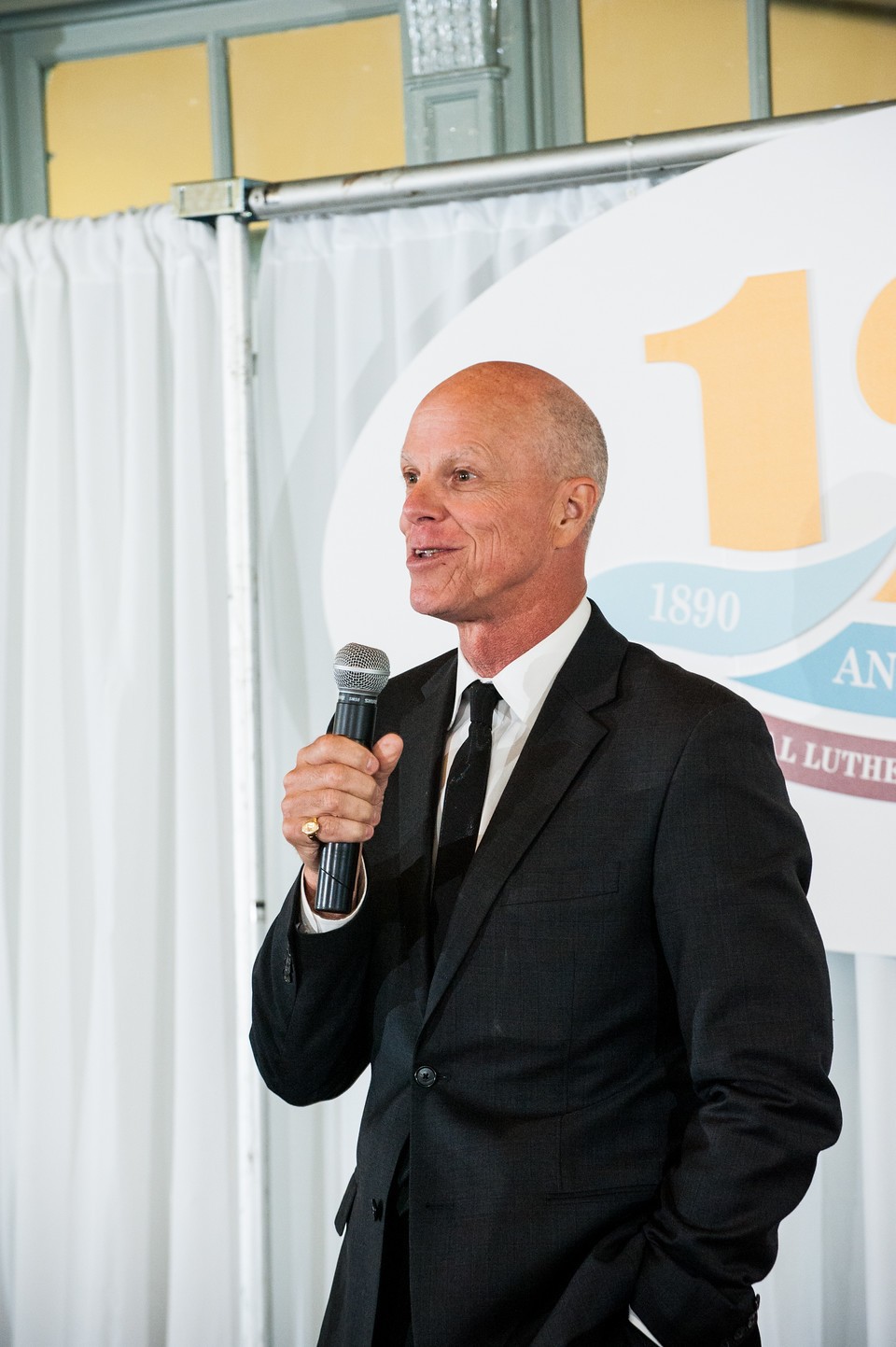
As I reflect on my 34-year career supporting individuals with disabilities in Washington, DC, I’m struck by how much has changed—and how much hasn’t.
When I began my journey in 1991 as a Direct Support Professional (DSP), the landscape looked very different. At that time, only a few small providers were offering support, mainly in Intermediate Care Facilities (ICFs). Providers operated group homes under the struggling oversight of the then-Department of Mental Retardation and Developmental Disabilities Administration (MRDDA). The quality of care in these homes was often poor. Case Managers—frequently contractors—failed to meet professional standards. Investigators were behind and often referred to people in the system as prisoners because so many had been moved over to MRDDA from the prison system. This resulted in delayed investigations into Serious Reportable Incidents that were often months behind. The Department of Health was also slow to license ICF/MRs, and unfortunately, the mortality rate among individuals receiving services was unacceptably high resulting in a 1999 front page series in the Washington Post, written by Katherin Boo, who later won a Pulitzer Prize for her investigation into the wretched abuse and neglect the city allowed.
Over the years, major reforms reshaped the system. The closure of the long-standing Evans lawsuit marked a turning point. Responsibility shifted more squarely onto providers and the Department on Disability Services (DDS). This transition brought a wave of improvements: better training for Service Coordinators, more accountability, and new approaches to care.
Today, in 2025, we’ve seen real progress. Smaller, more individualized living arrangements have replaced outdated group homes. Community-based day programs are more accessible and meaningful. Service Coordinators and
providers are generally better trained and more responsive. Telehealth options like StationMD have added convenience and reach.
But beneath these improvements, persistent systemic challenges remain. Many DSPs continue to struggle with retaining training—especially in critical areas like bowel management and aspiration prevention. Even with access to updated documents, nursing staff too often fail to include essential information in Health Management Care Plans and Health Passports. The promise of telehealth sometimes falls short, with serious consequences when key medical details are missed. Oversight also continues to be a problem. House managers, nurses, and QIDPs (Qualified Intellectual Disabilities Professionals) aren’t always equipped—or willing—to step in when DSPs are struggling. And far too often, agencies fail to recognize when internal changes or stronger leadership are needed.
After more than three decades in this field, I remain deeply committed to supporting individuals with disabilities and believe in the progress we’ve made. But commitment alone isn’t enough. If we want to truly support people with dignity, we must confront these fundamental flaws head-on. That means holding providers accountable, investing in consistent and practical training for DSPs, and ensuring that oversight isn’t just a checkbox—but a meaningful part of improving lives.
We’ve come a long way in DC. But we still have a long road ahead.